Follow us 261.1k
Quick Summary tl;dr
Squash offers a wide variety of flavors, textures, and carb counts, making it a versatile addition to any low-carb or keto diet.
Summer squash varieties, like zucchini, yellow squash, pattypan, and chayote are typically lower in carbs and are great for quick cooking methods like grilling, sautéing, or even using as pasta substitutes. These squash are perfect for those who want to keep things light and easy in the kitchen.
On the other hand, winter squash varieties, such as butternut, spaghetti, and kabocha, bring heartier flavors and richer textures to the table. While many winter squash options are higher in carbs than summer squash, there are still lower-carb choices, like spaghetti squash and hubbard squash, that work well in keto-friendly meals. With so many different types, names, and flavors, it’s worth exploring different squash varieties to find what works best for your taste and dietary needs.
Whether you're using them for roasting, soups, stuffing, or even as a noodle substitute, squash can play a key role in a variety of delicious low-carb dishes. Just remember that some carb counts may vary slightly, so be sure to use the approximate values as a guideline.
If you’ve ever found yourself wondering which types of squash work for low-carb or keto — and which ones are better left out — this guide is for you.
From light, crisp options to rich, hearty varieties, squash comes in more shapes, textures, and carb counts than you might think. Some can replace pasta or rice, others make great side dishes or even the base of a meal.
Below, I’ll break down the most common types of squash, how many net carbs they contain, the best ways to use them in your meals, and how to prep and cook them.
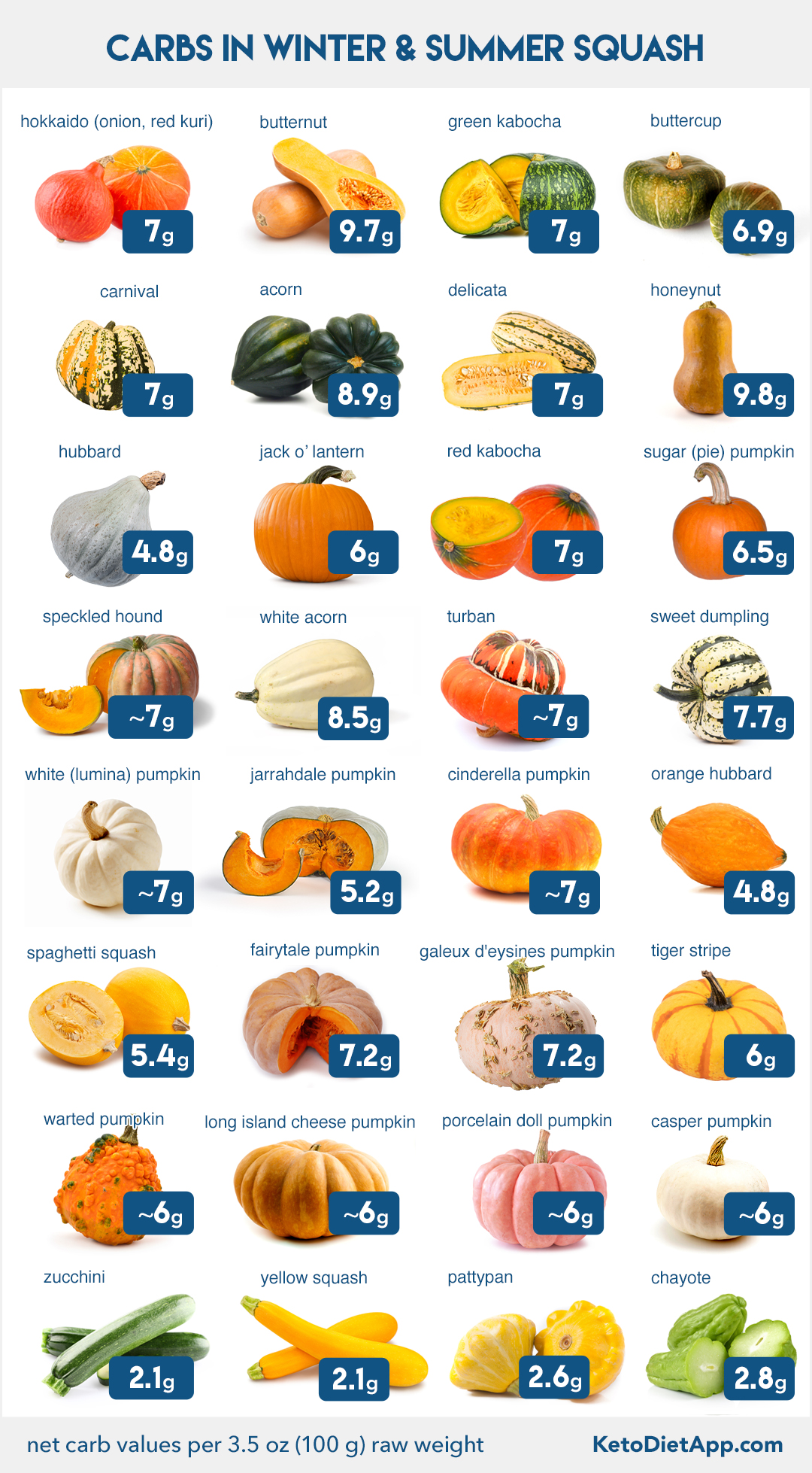
To make it easier, I’ve also included a ranked quick-reference table and a handy infographic with carb counts for each variety — you'll find them below.
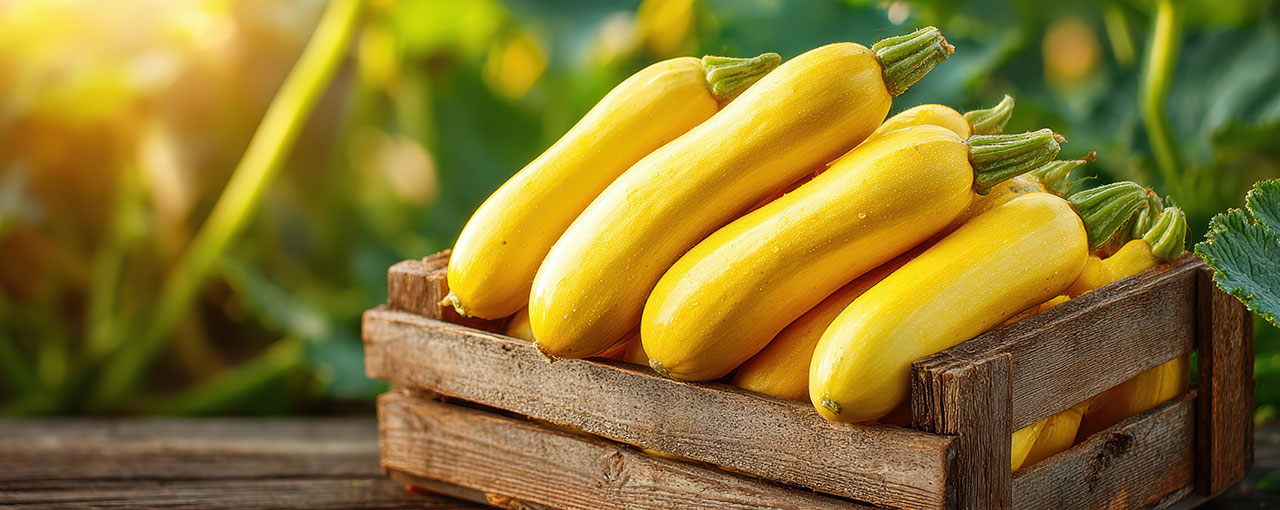
Types of Squash: Summer Squash
When it comes to summer squash, you’ve probably seen some familiar faces at the grocery store or farmer’s market. These squash varieties are usually softer, with thinner edible skin, and they cook up quickly, making them super easy to work with. Here are a few options you’ll likely come across.
Zucchini
Zucchini is a go-to for many people, and for good reason. It’s mild, versatile, and can be used in everything from grilling to making low-carb noodles (hello, zoodles!). It's also great for stuffing, especially the round type. Plus, it’s one of the lowest-carb squash options out there, with only about 3g of net carbs per cup cooked.
- Net carb count (per 100 g/3.5 oz, raw): 2.1 g
- Uses: Grilling, sautéing, spiralizing for noodles, or baking into low-carb muffins, breads, cakes and smoothies where it acts as a thickener. Plus you can even make "apple" pie with zucchini - no one will know there's no apple!
- Notes: One of the lowest-carb squash options, available year-round in most stores.
Recipes with zucchini:
Yellow Squash
Similar to zucchini, yellow squash has a mild flavor and soft texture. It’s a bit sweeter and can be used interchangeably with zucchini in most recipes (perfect for making "apple" pie! or a cozy "apple" crumble for two). Whether you slice it into a stir-fry or roast it for a quick side, it’s a great addition to any low-carb meal.
- Net carb count (per 100 g/3.5 oz, raw): 2.1 g
- Uses: Stir-frying, roasting, or slicing into salads. Just like zucchini, it's a great option in desserts and sweet meals as with the right preparation it tastes like apple!
- Notes: Like zucchini, yellow squash can be used in sweet or savory dishes and is widely available.
Pattypan Squash
Pattypan squash looks a little different with its fun, scalloped shape, but don’t let that fool you—it’s just as easy to cook with. Its firmer texture makes it great for roasting or stuffing.
- Net carb count (per 100 g/3.5 oz, raw): 2.6 g
- Uses: Roasting, stuffing, or slicing into stews.
- Notes: Its unique scalloped shape makes it fun to cook with, and it’s most commonly found in summer.
Recipes with zucchini and pattypan squash:
Chayote Squash
Chayote is a unique squash that’s crisp when raw and softens when cooked, making it great for a variety of dishes. Because it holds its shape so well, it’s one of the best low-carb alternatives to potatoes in soups and stews, as well as a spot-on replacement for apples in keto desserts.
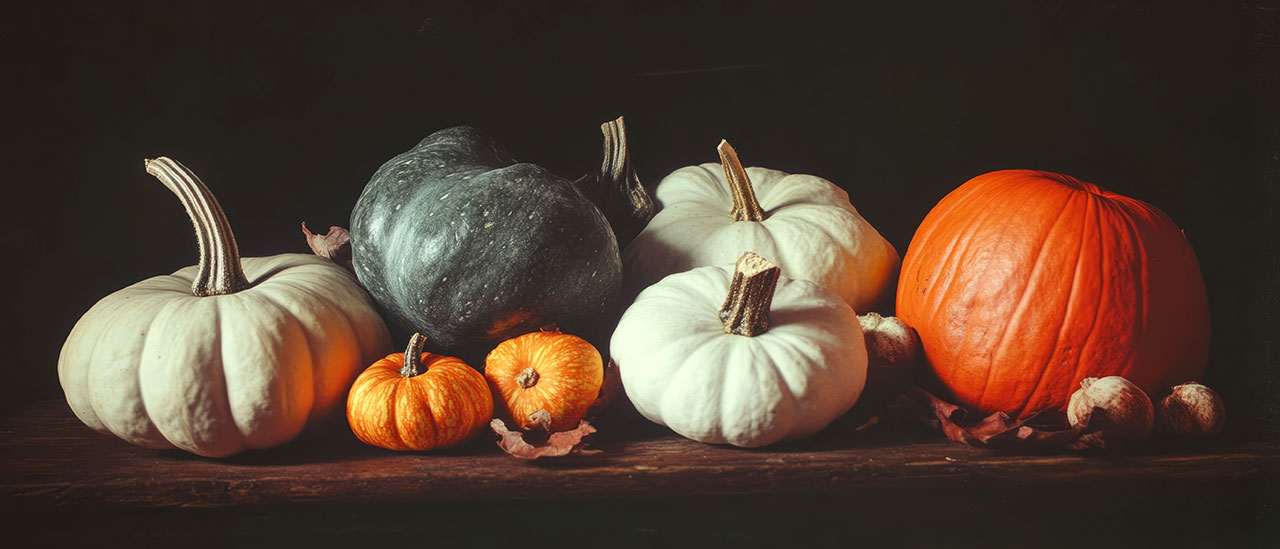
Types of Squash: Winter Squash
Winter squash comes in many shapes, sizes, and flavors—some of which you might not have heard of before! What makes it even trickier is that many of these squash varieties go by different names. For example, you might see Hokkaido squash labeled as Red Kuri or Onion squash, depending on where you shop. So, if you’ve ever found yourself confused at the grocery store, don’t worry—you’re not alone!
Below is a look at the most common types of winter squash, along with their net carb counts and some ideas on how to use them in your low-carb or keto meals. Although they are all edible, some types are best used for ornamental purposes.
Note: For some squash varieties, the nutrition information may be approximate (marked with a "~") due to variations in size, ripeness, and sourcing. These net carb values should be used as general guidelines.
Hokkaido (Onion, Red Kuri) Squash
Also known as Red Kuri or Onion squash, Hokkaido squash has a distinct shape and color. This bright orange squash is often favored for its sweet, nutty flavor and smooth texture. One of the main benefits is that Hokkaido can be roasted with the skin on, which softens beautifully during cooking.
- Net carb count (per 100 g/3.5 oz, raw): 7 g
- Uses: Roasting, soups, or purees.
- Notes: Known for its sweet, nutty flavor and bright orange edible skin.
Recipes with hokkaido squash:
Delicata Squash
Delicata squash might not be as well-known, but it’s worth a try! It has a delicate, sweet flavor and a thin skin that you don’t even need to peel before cooking. This makes it one of the easiest winter squashes to work with—especially when sliced into rings, roasted, and topped with one of our homemade flavored butters.
- Net carb count (per 100 g/3.5 oz, raw): 7 g
- Uses: Sautéing or roasting in rings or half-moons.
- Notes: Thin, tender skin makes it easy to cook without peeling.
Butternut Squash
Butternut squash is probably the most popular winter squash. Its creamy, sweet flesh makes it perfect for soups, purees, and roasting. While it’s higher in carbs than summer squash, its flavor and texture are hard to beat when used in smaller portions.
- Net carb count (per 100 g/3.5 oz, raw): 9.7 g
- Uses: Soups, roasting, mashing, or slicing thinly into lasagna sheets.
- Notes: A go-to for many fall dishes, though a bit higher in carbs.
Recipes with butternut squash:
Honeynut Squash
This small, sweet squash looks like a mini butternut squash but has an even richer flavor. It’s packed with sweetness, making it a great choice for roasting or blending into soups, though its carb content is on the higher side.
- Net carb count (per 100 g/3.5 oz, raw): 9.8 g
- Uses: Roasting, soups, or purees.
- Notes: Sweeter than butternut squash and rich in flavor; enjoy in small portions on keto.
Sugar Pumpkin
Sugar pumpkins (pie pumpkins) are smaller and sweeter than the larger pumpkins you might carve at Halloween. They’re great for baking and cooking, offering a rich, smooth texture and a natural sweetness that works well in soups, pumpkin chia muffins, and no-bake pumpkin cheesecake.
- Net carb count (per 100 g/3.5 oz, raw): 6.5 g
- Uses: Baking, soups, pies, and cheesecakes.
- Notes: Smaller, denser, and sweeter than jack-o’-lantern pumpkins.
Recipes with sugar pumpkin:
Acorn Squash
Acorn squash has a slightly sweet, nutty flavor and is perfect for roasting or stuffing with savory Sausage or keto Thanksgiving stuffing. Its flesh is a bit firmer than butternut, and while it’s higher in carbs, it makes for a hearty side dish when balanced with low-carb ingredients.
- Net carb count (per 100 g/3.5 oz, raw): 8.9 g
- Uses: Roasting, stuffing, or baking.
- Notes: A bit higher in carbs, but perfect for hearty fall meals when portioned mindfully.
Hubbard Squash
Hubbard squash is known for its large size and tough, bumpy skin. While it can look a bit intimidating, its sweet and flavorful flesh makes it a great choice for soups, mashes, and casseroles. Plus, at under 5g net carbs per 100g, it’s the lowest-carb winter squash variety you can buy!
- Net carb count (per 100 g/3.5 oz, raw): 4.8 g
- Uses: Roasting, mashing as a low-carb potato swap, or baking into soups and casseroles.
- Notes: The lowest-carb winter squash variety; great for batch cooking and freezing.
Spaghetti Squash
If you’re looking for a pasta substitute, spaghetti squash is your best friend. Once cooked, its flesh pulls apart into noodle-like strands, making it perfect for low-carb meals like spaghetti Bolognese or stir-fries. It’s also much lower in carbs than most other winter squash, which is a bonus.
- Net carb count (per 100 g/3.5 oz, raw): 5.4 g
- Uses: Pasta substitute, baking, or stuffing.
- Notes: A great low-carb alternative to traditional noodles.
Recipes with spaghetti squash:
Long Island Cheese Pumpkin
Named for its flat, wheel-like shape resembling a cheese wheel, the Long Island Cheese pumpkin has a dense, sweet flesh. It’s a great option for pies and soups, with a rich flavor that can hold its own in hearty dishes.
- Net carb count (per 100 g/3.5 oz, raw): ~6 g
- Uses: Baking, pies, or soups.
- Notes: A classic American heirloom variety that’s great for traditional pumpkin dishes.
Carnival Squash
Carnival squash is a beautiful mix of colors, often orange, yellow, and green, with a sweet, mild flavor similar to acorn squash. It's great for roasting or using in soups, and its vibrant colors make it visually appealing on the plate.
- Net carb count (per 100 g/3.5 oz, raw): 7 g
- Uses: Roasting, stuffing, or adding to soups.
- Notes: A close relative of acorn and sweet dumpling squash, with a slightly sweeter flavor and lower carb count than acorn.
Jarrahdale Pumpkin
This Australian heirloom pumpkin has blue-gray skin and dense, sweet orange flesh. It’s similar to other pumpkins but with a unique look and stringless, velvety texture. At just 5.2g net carbs, it’s a fantastic keto-friendly pumpkin for pies, soups, and roasting.
- Net carb count (per 100 g/3.5 oz, raw): 5.2 g
- Uses: Roasting, soups, curries, or pies.
- Notes: One of the lowest-carb heirloom pumpkins with a sweet flavor and dense texture.
Kabocha Squash
Kabocha squash, also known as Japanese pumpkin, has a sweet, rich flavor and creamy, chestnut-like texture, making it ideal for soups, curries, or roasting. It’s lower in carbs than butternut squash and makes an amazing low-carb swap for sweet potatoes.
- Net carb count (per 100 g/3.5 oz, raw): 7 g
- Uses: Roasting, soups, tempura, or stews.
- Notes: Similar to pumpkin and sweet potato, with an edible dark-green rind that softens when roasted.
Recipes with kabocha squash:
Fairytale Pumpkin
This French heirloom variety (Musquée de Provence) lives up to its name, with its whimsical lobed shape and deep orange flesh. It has a sweet, rich flavor, and its dense flesh holds up well in hearty fall recipes.
- Net carb count (per 100 g/3.5 oz, raw): 7.2 g
- Uses: Roasting, soups, and stews.
- Notes: Known for its deep orange flesh and rich, nutmeg-like flavor.
Porcelain Doll Pumpkin
Porcelain Doll pumpkins are as beautiful as they are tasty. With their pale pink skin and sweet flesh, they add a unique visual appeal to seasonal dishes. They can be used for roasting, soups, or pies, much like other sweet pumpkin varieties.
- Net carb count (per 100 g/3.5 oz, raw): ~6 g
- Uses: Roasting, soups, or in pies.
- Notes: A unique pink-skinned variety often used in seasonal fall dishes.
Tiger Stripe Squash
With its striking stripes and colorful skin, Tiger Stripe squash is a standout both visually and in flavor. Its sweet, nutty flesh is great for roasting, soups, and baking.
- Net carb count (per 100 g/3.5 oz, raw): 6 g
- Uses: Roasting, soups, or baking.
- Notes: Its colorful skin makes it a great decorative and culinary option.
Cinderella Pumpkin
Cinderella pumpkins (Rouge Vif d'Etampes) are famous for their carriage-like shape, but they’re also delicious in the kitchen. They have a mild, tender flesh that’s ideal for roasting, soups, or baking into purees.
- Net carb count (per 100 g/3.5 oz, raw): ~7 g
- Uses: Roasting, baking, soups, or purees.
- Notes: Named for its resemblance to the pumpkin carriage in Cinderella, it’s popular for both decorative and culinary uses.
White (Lumina) Pumpkin
White pumpkins aren’t just for decoration. Lumina pumpkins have bright orange flesh with a slightly milder flavor compared to sugar pumpkins and are great for soups, pies, or roasting. Their striking white skin makes them a favorite around Halloween and Thanksgiving.
- Net carb count (per 100 g/3.5 oz, raw): ~7 g
- Uses: Baking, soups, or roasting.
- Notes: While often used for ornamental purposes, they can be cooked just like sugar pumpkins.
Galeux d'Eysines Pumpkin
This unique French heirloom pumpkin (often called the Peanut Pumpkin) is known for its warty, salmon-colored skin. Despite its bumpy appearance, it has a sweet, velvety, stringless flesh that works wonderfully in soups, pies, and baking.
- Net carb count (per 100 g/3.5 oz, raw): 7.2 g
- Uses: Soups, pies, or baking.
- Notes: Prized in French cuisine for its ultra-smooth texture and sweet flavor.
Speckled Hound Squash
This decorative winter squash has a unique, speckled green, orange, and white skin. It’s not just for looks, though—it has a dense, slightly sweet flesh with notes of kabocha and butternut that works well for roasting or adding to stews.
- Net carb count (per 100 g/3.5 oz, raw): ~7 g
- Uses: Roasting, purees, or in soups.
- Notes: Its vibrant colors make it a popular choice for both fall décor and roasting.
How to Prep & Cook Squash on Keto
Cooking with squash—especially hard-skinned winter varieties—doesn't have to mean wrestling with a sharp knife or ending up with watery noodles. Here are three simple kitchen tricks for perfect results every time:
- Soften hard winter squash before cutting: Thick-skinned varieties like Hubbard, Kabocha, and Butternut can be tough to slice raw. Pierce the skin several times with a sharp fork and microwave the whole squash for 2 to 3 minutes. The rind will soften just enough for your chef's knife to glide smoothly through.
- Skip the peeler on thin-skinned winter squash: While all summer squash skins are tender and edible, you also don't need to peel Hokkaido (Red Kuri), Delicata, Honeynut, Carnival, or thinly sliced Acorn and Kabocha squash. Their skins soften beautifully when roasted at 400°F (200°C) with olive oil, ghee, or flavored butter, adding extra fiber and flavor.
- Cut spaghetti squash into rings (not halves) for longer noodles: Because spaghetti squash strands run in a circle around the inside of the shell, slicing the squash lengthwise cuts the strands in half. Instead, slice it crosswise into 1.5-inch (4 cm) rings, scoop out the center seeds, brush with olive oil and salt, and roast at 400°F (200°C) for 35 to 40 minutes. The rings let excess steam escape so your noodles come out long, tender, and never watery!
Frequently Asked Questions
What is the lowest-carb winter squash for a keto diet?
Hubbard squash (4.8g net carbs per 100g), Jarrahdale pumpkin (5.2g net carbs), and spaghetti squash (5.4g net carbs) are the lowest-carb winter squash varieties. They are followed closely by Porcelain Doll, Tiger Stripe, and Long Island Cheese pumpkins (~6g net carbs) and Sugar pumpkin (6.5g net carbs).
Can I eat butternut squash on keto?
Yes, in moderation! At 9.7g net carbs per 100g (raw), a large serving of cubed butternut squash can quickly use up your daily carb allowance. To fit it into a keto meal plan, use thin slices in place of pasta sheets—like in our Low-Carb Butternut Squash Lasagna—or swap it for lower-carb Hokkaido or Kabocha squash (7g net carbs), which offer a very similar sweet, creamy texture.
Which squash is the best low-carb substitute for potatoes and apples?
For a potato substitute, peeled and cubed chayote squash (2.3g net carbs) holds its firm shape in soups, stews, and pot roasts without turning mushy, while Kabocha and Hokkaido (7g net carbs) roast and mash like sweet potatoes. For an apple substitute in keto pies and crumbles, diced chayote, yellow squash, or zucchini simmered with butter, cinnamon, lemon juice, and keto sweetener takes on the exact texture and flavor of baked apples!
Carbs in Winter & Summer Squash: Cheat Sheet & Infographic
Here is a quick-reference comparison of all 23 summer and winter squash varieties, ranked from lowest to highest net carbs per 100 grams (3.5 oz) of raw squash:
| Squash Variety |
Type |
Net Carbs (per 100g / 3.5oz raw) |
Edible Skin? |
Best Keto Use / Swap |
| Zucchini (Courgette) |
Summer |
2.1 g |
Yes |
Zoodles, grilling, keto baking, mock "apple" pie |
| Yellow Squash |
Summer |
2.1 g |
Yes |
Stir-fries, roasting, sweet mock-apple crumbles |
| Chayote Squash |
Summer |
2.3 g |
Yes (when young) |
#1 mock-apple swap for pies; diced "potato" in soups |
| Pattypan Squash |
Summer |
2.6 g |
Yes |
Stuffing with bacon/eggs, roasting whole, stews |
| Hubbard Squash |
Winter |
4.8 g |
No |
Lowest-carb winter squash for velvety soups & mash |
| Jarrahdale Pumpkin |
Winter |
5.2 g |
No |
Sweet, dense, stringless flesh for roasting & pies |
| Spaghetti Squash |
Winter |
5.4 g |
No (bake in shell) |
Low-carb pasta/noodle swap, baked casseroles |
| Long Island Cheese Pumpkin |
Winter |
~6.0 g |
No |
Pumpkin pies, custards, and thick soups |
| Porcelain Doll Pumpkin |
Winter |
~6.0 g |
No |
Sweet purees, seasonal soups, and pies |
| Tiger Stripe Squash |
Winter |
6.0 g |
Yes (when thin) |
Roasting in wedges, soups, and baking |
| Sugar Pumpkin (Pie Pumpkin) |
Winter |
6.5 g |
No |
Keto pumpkin cheesecake, waffles, puree, soups |
| Hokkaido (Red Kuri / Onion) |
Winter |
7.0 g |
Yes |
No-peel roasted wedges, nutty autumn soups |
| Delicata Squash |
Winter |
7.0 g |
Yes |
No-peel roasted rings, sautéed side dishes |
| Kabocha (Japanese Pumpkin) |
Winter |
7.0 g |
Yes |
Closest creamy texture to sweet potato / chestnut |
| Carnival Squash |
Winter |
7.0 g |
Yes (when thin) |
Stuffing with sausage/herbs, roasted wedges |
| Cinderella Pumpkin |
Winter |
~7.0 g |
No |
Homemade pumpkin puree, creamy fall soups |
| White (Lumina) Pumpkin |
Winter |
~7.0 g |
No |
Baking, roasting, and mild autumn soups |
| Speckled Hound Squash |
Winter |
~7.0 g |
No |
Roasting, creamy purees, and hearty stews |
| Fairytale Pumpkin |
Winter |
7.2 g |
No |
Rich soups, curries, and roasted cubes |
| Galeux d'Eysines Pumpkin |
Winter |
7.2 g |
No |
Smooth French-style soups, stews, and pie puree |
| Acorn Squash |
Winter |
8.9 g |
Yes |
Savory stuffed squash halves (watch portion size) |
| Butternut Squash |
Winter |
9.7 g |
No |
Thin lasagna sheets, small-batch roasted cubes |
| Honeynut Squash |
Winter |
9.8 g |
Yes |
Roasting in halves (sweetest & highest carb—use sparingly) |
Want to save these carb counts for your next grocery trip? Pin the visual cheat sheet below to your favorite low-carb or keto board!
 Follow us 148.4k
This post was written by Martina Slajerova, creator of the KetoDiet app, author of 10+ keto cookbooks, and recipe developer with over a decade of experience in low-carb nutrition. All recipes and tips shared here have been tested and approved by my family (yes, even the toddlers!).
Do you like this post? Share it with your friends!