Follow us 261.1k
Quick Summary tl;dr
Bananas are nutritious, but at around 27 grams of carbs per medium fruit, they’re difficult to fit into a strict low-carb or keto plan without planning ahead.
Slightly green bananas contain more resistant starch, but they’re still relatively high in carbs compared to most keto-friendly ingredients.
If you’re mainly after texture, ingredients like zucchini, avocado, cauliflower, or chia seeds can step in. If it’s the flavor you miss, banana extract often does the job.
And if you choose to use real banana, keep the portions modest and spread it across multiple servings so the carbs stay manageable.
If you eat low-carb, bananas are one of the first foods that get complicated.
They’re easy, naturally sweet, and built into so many familiar recipes — smoothies, pancakes, muffins, banana bread. And they don’t just add flavor. They add moisture and structure in a way that’s surprisingly hard to replicate. Take them out, and the recipe often changes more than you expect.
That’s why banana-based dishes can feel like they’re suddenly off-limits. But in practice, it’s not that simple. Sometimes you don’t need banana at all. Sometimes you only need a small amount. And sometimes what you’re actually trying to replace isn’t the fruit — it’s the texture or sweetness it provides.
Once you separate those roles, the problem becomes much easier to solve.
Why Bananas Are Tricky on Keto
Bananas have a strong “healthy food” reputation, and in many contexts that’s fair. They’re high in potassium, contain vitamin C, and provide fiber. Slightly green bananas even contain more resistant starch, which isn’t digested the same way as simple sugars.
The challenge on keto is quantity. A medium banana contains around 27 grams of carbs. On a stricter low-carb plan, that can account for most of your daily allowance in one ingredient. And most recipes don’t use a few slices — they use one or two whole bananas for sweetness and structure, which pushes the carb count up quickly.
Greener bananas contain more resistant starch and less available sugar than very ripe ones, but they’re still relatively high in carbohydrates compared to typical keto ingredients. As they ripen, that resistant starch converts into sugar, which is why bananas become sweeter as they brown.
So this isn’t about labeling bananas as “bad.” It’s simply that they’re not neutral on a low-carb diet. If you want to include them, you either plan for it or replace them.
Low-Carb Ingredients That Can Replace Bananas
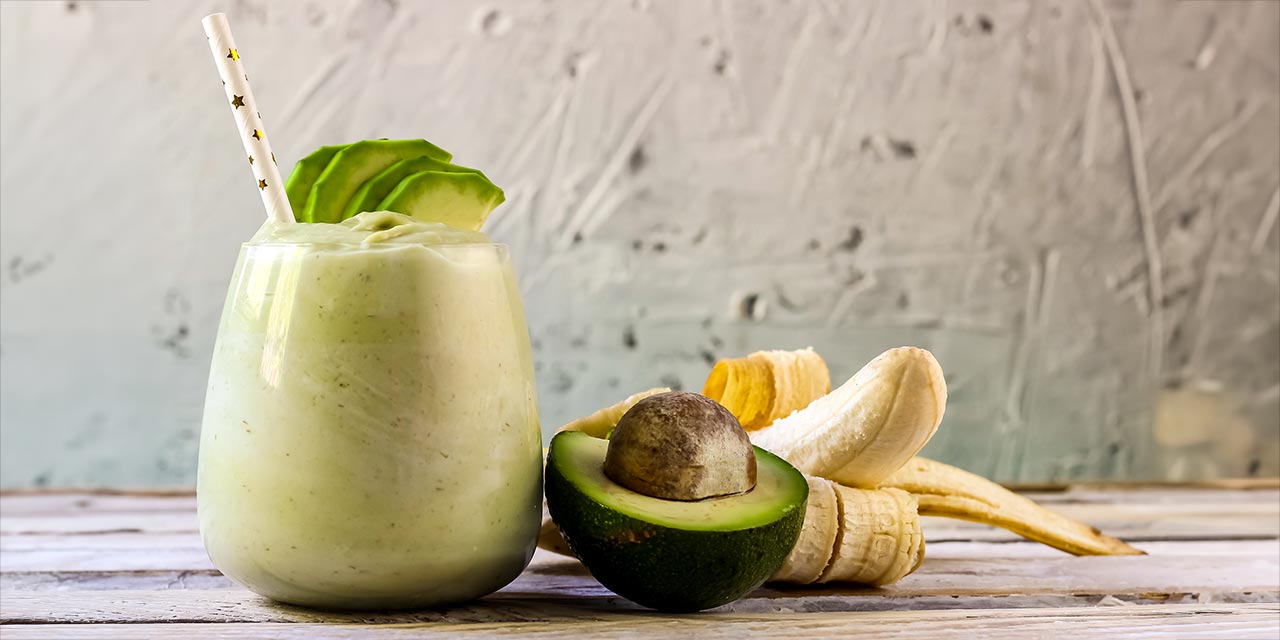
Not every banana substitute works once you actually cook with it. Some sound good in theory and fall apart in practice. These are the ones that actually work, depending on what you’re trying to replace.
1. Zucchini (The Most Reliable in Baking)
If banana’s job is moisture and structure in muffins or quick breads, zucchini handles it well. Grated zucchini keeps baked goods soft without making them heavy. It won’t add sweetness, but most banana recipes don’t rely on banana for sweetness alone anyway — they rely on it for bulk.
In smoothies, frozen zucchini adds thickness without changing flavor. Just remove excess moisture before baking so the batter doesn’t get too loose.
2. Avocado (Best in Smoothies)
If the goal is that thick texture banana gives to smoothies, avocado does it better than anything else here.
It blends smoothly, doesn’t interfere with other flavors, and holds up well in ice cream-style or spoonable desserts. It’s especially good in chocolate or vanilla-based recipes where you don’t want fruit flavor dominating. If banana flavor matters, add extract.
3. Cauliflower (Adds Volume, Not Much Else)
Cauliflower works, but it’s not magic. It adds bulk and thickness to smoothies without many carbs, and once blended thoroughly, it’s fairly neutral — especially in recipes with cocoa or cinnamon where other flavors are doing the heavy lifting. It won’t give you the same texture as avocado, and it doesn’t belong in banana bread. But if you need extra volume in a drink without using fruit, it can help.
4. Pumpkin Purée (Moisture in Baked Goods)
In muffins and quick breads, unsweetened pumpkin purée can replace banana when the goal is softness rather than flavor. The taste is different, but structurally it behaves in a similar way. It works best in recipes that already lean warm or spiced.
5. Chia Seeds (For Thick Desserts)
When soaked, chia seeds form a gel that mimics the texture mashed banana gives to puddings and layered desserts. They’re not useful in traditional baking, but for jar-style or no-bake recipes, they work consistently.
6. Greek Yogurt (If You Include Dairy)
Full-fat Greek yogurt replaces banana in smoothies where thickness matters more than sweetness. It also adds protein, which makes it practical in breakfast recipes. Stick to plain, unsweetened versions.
7. Banana Extract (When Flavor Is the Goal)
Often what people miss isn’t banana itself — it’s the flavor. In those cases, extract is the simplest fix. A small amount can shift pancakes, cheesecake, custard, or smoothies without affecting carb totals.
In many recipes, combining a structural swap (like zucchini or avocado) with banana extract gives the most convincing result.
Can You Just Use Real Banana? Yes — Here’s How

Sometimes you don’t need a substitute at all. You can use real banana — just in smaller amounts than you might have before.
If you’re following a moderate low-carb approach rather than strict keto, small portions can fit. Instead of building a recipe around two or three mashed bananas, it usually works better to use less and spread it across multiple servings. That keeps the flavor while lowering the carbs per portion.
Ripe Bananas Are Higher in Carbs
Slightly green bananas contain more resistant starch and less sugar than fully ripe ones. Resistant starch isn’t digested the same way as simple sugars, which is why greener bananas tend to have a milder effect on blood sugar.
As bananas ripen, that resistant starch converts into sugar. That’s why they taste sweeter and become softer as they brown. Even so, green bananas are still relatively high in carbs — they’re just slightly less sugar-heavy than very ripe ones.
Portion Size Makes the Difference
A medium banana contains around 27 grams of carbohydrates. Using half, slicing thinly over keto "oatmeal," or dividing one banana across a recipe that serves 12 or more portions reduces the carb count per serving.
In larger bakes like a Bundt cake, spreading one or two bananas through the whole batter keeps the impact lower than using them in smaller, single-serve recipes.
Pair It Strategically
If banana stays in the recipe, keep the rest of the ingredients lower in carbs. Almond flour, eggs, butter, cream, or zucchini can provide structure and moisture without adding more sugar.
In smoothies, combining a small amount of banana with avocado or zucchini keeps fruit from being the only source of texture. Used this way, banana isn’t the main ingredient anymore — it’s just one part of the recipe.
Banana Recipes That Actually Work for Keto
Banana Bread

This version keeps the classic banana bread flavor but spreads the banana across multiple servings so the carbs stay controlled. Chocolate chips add texture without overwhelming the base, and the structure comes largely from low-carb flours rather than fruit alone.
The recipe makes 12 servings, with 4.4 g net carbs per serving.
Click here for ingredients and full instructions.
Banana Bundt Cake

If you prefer a stronger banana flavor without chocolate, the Bundt cake version leans more heavily into the fruit while still keeping portions realistic. Because it’s sliced thinly and designed for multiple servings, it’s easier to fit into a moderate low-carb plan.
The recipe makes 16 servings, with 4.2 g net carbs per serving (or 8.4 g if doubling the recipe for a taller cake).
Click here for ingredients and full instructions.
Chunky Monkey Ice Cream

This is a good example of balancing banana with higher-fat ingredients. Heavy cream, Greek yogurt, collagen, and sugar-free sweetener carry most of the texture, while banana plays a supporting role. Walnuts and dark chocolate add contrast without relying on extra sugar.
The recipe makes 8 servings, with 7.9 g net carbs per serving.
(Recipe coming soon!)
Banana Chia Pudding

Here, banana is blended into a creamy base and then portioned into small jars, which keeps the carb count manageable. Chia seeds provide structure and thickness, so the pudding doesn’t depend entirely on fruit for texture.
The recipe makes 6 servings, with 8.9 g net carbs per serving. For a variation, you can turn it into a banoffee-style pudding by adding an allulose-based caramel layer (see the Keto Flan recipe for the caramel method).
(Recipe coming soon!)
More Ways to Add Banana Flavor (Without Overdoing It)

If you don’t want to build an entire recipe around banana, another option is to layer the flavor into recipes that are already low in carbs. This works especially well when banana isn’t responsible for the structure of the dish.
Banana-Flavored Smoothie
You can create a banana-style smoothie without relying heavily on fruit. Blend almond milk, coconut milk, or cream with cinnamon and chunks of peeled zucchini (fresh or frozen) for thickness. Sweeten to taste, and add banana extract gradually until the flavor is where you want it. A scoop of collagen powder works well here too, adding both protein and creaminess.
If you’re looking for more structured smoothie ideas, The Beginner's Keto Diet Cookbook includes several recipes using zucchini and avocado as a base, which makes adapting them with banana extract straightforward.
Banana Pancakes
Start with the Basic Keto Pancakes and add banana extract directly to the batter for flavor without significantly changing the carb count.
If you’d rather use real banana occasionally, the Carb-Up Spiced Banana Pancakes can serve as a base. You can lower the carb impact by replacing cashew nuts with almond flour or adjusting portion sizes to suit your goals.
Banana Muffins
The Pumpkin Chocolate Chip Blender Muffins can be adapted by replacing the pumpkin purée with mashed banana. Cinnamon and nutmeg pair naturally with banana if you want a more classic flavor profile.
For a variation in texture, you can substitute some of the almond flour with ground walnuts or pecans.
Banana Crème Brûlée
The classic Keto Crème Brûlée available in the KetoDiet app can be adjusted with a few drops of banana extract before baking. If you’ve accounted for the carbs, blending in one banana creates a stronger banana version while keeping the structure of the original dessert.
Banana Creme Caramel (Flan)
Using the Crème Caramel (Flan) recipe as a base, you can add banana extract or incorporate a banana during blending for a subtle variation that still fits within a moderate low-carb approach.
Banana Panna Cotta
Take inspiration from the Raspberry Panna Cotta. and replace the raspberries with banana extract or a small amount of blended banana. A pinch of cinnamon works particularly well here.
Banana Cheesecake
Recipes such as the Basque Burnt Cheesecake, No Bake Cheesecake Bars., and Berry Cheesecake Jars can all be adapted with banana extract or a controlled amount of mashed banana for a different variation without rebuilding the entire recipe.
Final Thoughts
Bananas can feel like one of the first things you have to give up when you lower your carbs. They’re naturally sweet, versatile, and used in so many familiar recipes that it’s easy to assume there’s no real substitute.
But in practice, it’s rarely that black and white. Sometimes you don’t need banana at all — you just need moisture or creaminess, which ingredients like zucchini, cauliflower, or avocado can provide. Other times, what you’re really after is the flavor, and a small amount of extract does the job without affecting your carb intake.
And if you prefer using real banana occasionally, that can work too — as long as you account for it and build the rest of the recipe around it.
There isn’t a perfect substitute for banana, and that’s fine. Sometimes a swap works better. Sometimes a small amount of the real thing makes more sense. It depends on the recipe and your carb target. Once you know what role banana plays, it’s easier to decide whether you need it.
Do you like this post? Share it with your friends!